The most important hurricane plumbing prep is simple: know where your main water shut-off is and confirm it works, clear your drains and gutters before the storm, protect your water heater, and store clean water in case service is interrupted. Florida's hurricane season runs June 1 through November 30, so North Pinellas homeowners should have this handled before a storm is ever named. Doing the work early means you are not troubleshooting a stuck valve in a downpour. Below is a before, during, and after checklist you can run in an afternoon and repeat each season.
Before the storm
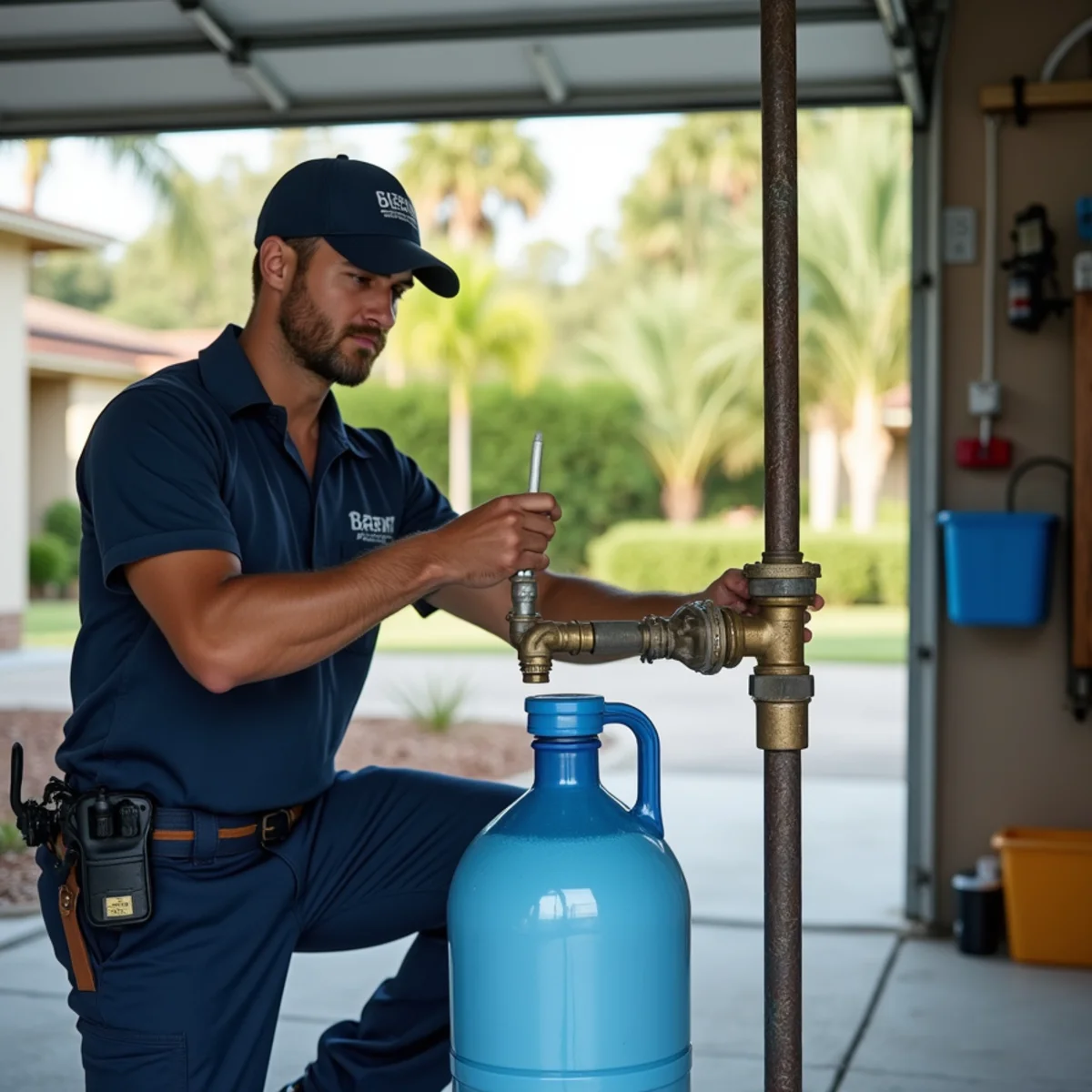
- Locate and test the main shut-off. Find it where the water line enters the home, and turn it fully off and on to confirm it moves freely. A seized valve is a repair to schedule now, not during a storm.
- Know the curb stop location. Identify the meter box near the street and whether you need a meter key, in case the interior valve fails.
- Clear all drains. Address any slow drains before the storm, because backups are worse when the sewer system is stressed by flooding.
- Clean gutters and downspouts. Direct roof water away from the foundation to reduce the chance of intrusion.
- Protect the water heater. Know how to shut off its gas or power, and if flooding is likely, consider draining it or shutting it down.
- Check the backflow preventer. Make sure it is intact so contaminated water cannot reverse into your supply.
- Address known low spots and any sump equipment. Clear debris from areas that pool and test any pump you rely on.
- Store water. Keep at least one gallon per person per day for several days, and fill tubs and containers as a storm approaches for washing and flushing.
The valve you never turn is the one that fails
Main shut-off valves seize when they sit untouched for years. Testing yours before hurricane season is the single highest-value plumbing task on this list, because in an emergency it is the difference between stopping the water and watching it spread.
During the storm
- Minimize water use, especially if flooding or power outages are affecting area lift stations, to avoid contributing to sewer backups.
- If you see or smell a sewer backup, stop using all drains and toilets immediately.
- If flooding threatens the home, shut off the main to prevent contaminated water from entering through the plumbing.
- Turn off the water heater's power or gas if flooding reaches it, and do not use it until inspected.
- Rely on your stored water rather than assuming tap water stays safe; watch for boil-water notices.
After the storm
- Confirm your area's water and sewer service, including lift stations, is restored before resuming normal use.
- Treat any flood water as contaminated; wear protection and keep children and pets away.
- Inspect the water heater before relighting or repowering it, especially if it was submerged.
- Watch for slow or gurgling drains, sewage odors, and backups, which signal sewer line damage.
- Test or disinfect a private well before drinking, and follow any boil-water notice.
- Photograph and document any damage for insurance before cleaning up, and dry wet materials within 24 to 48 hours.
If anything on the after-storm list looks wrong, do not force it. A backup, a flooded heater, or a damaged line needs a professional. Our line is answered 24/7 during and after storms, and our emergency plumbing team helps North Pinellas homeowners get water service safely back online. Every plumber we send is licensed and insured in Florida, and the price is confirmed at your property before work starts.
Why North Pinellas homes need this
This region carries a specific set of risks that make storm prep more than a formality. Many homes here were built around 1984 on slab, often with aging or builder-grade plumbing, so shut-off valves that have not been touched in years are prone to seizing exactly when you need them. Low-lying and coastal neighborhoods near the Anclote River and the Gulf are exposed to storm surge, and the September 2024 flooding from Hurricane Helene showed how quickly surge and sewer lift-station outages can combine to push contaminated water into downtown and waterfront homes. Prep is what keeps a bad storm from becoming a bad plumbing disaster.
Hard water adds a quiet complication. The region's historically very hard water leaves scale and sediment in heaters and fixtures, so a unit already weakened by buildup is more likely to fail under the stress of a shutdown, a flood, or a power surge. Folding a water heater check into your seasonal routine catches that weakness before the season's first storm rather than during it.
Water heaters deserve special attention
Your water heater is both an asset and a hazard during storms. A submerged unit can be dangerous to relight, and a compromised gas control is a real risk, so plan for it before the season. If yours is aging or you are unsure how to shut it down safely, a pre-season visit from our water heater service sorts it out and gives you a plan. Homeowners in Dunedin and across North Pinellas book these checks in late spring so they are ready when the first system spins up in the Gulf.
Keep a simple plumbing storm kit
A small kit stored near your main shut-off saves you from hunting for tools in the dark:
- A meter key for the curb stop at the street, in case the interior valve will not hold.
- A pipe wrench and adjustable wrench sized to your main valve.
- Rubber gloves, boots, and eye protection for handling any contaminated water.
- Clean containers already filled with water for drinking, plus filled tubs for washing and flushing.
- A written note of where your main shut-off, water heater controls, and backflow device are, so anyone in the household can act.
- Our phone number, (858) 363-8298, saved and posted, since we answer 24/7 during and after storms.
Run this checklist once at the start of the season and do a quick refresh before any named storm approaches. Ten minutes of preparation, especially confirming that your main shut-off actually turns, is the highest-value plumbing insurance you can buy for hurricane season, and it costs nothing but your time.
Get storm-ready before the next system forms
Call Red Eagle Plumbers at (858) 363-8298 to test shut-offs and check your water heater. We answer 24/7 and price everything before work starts.